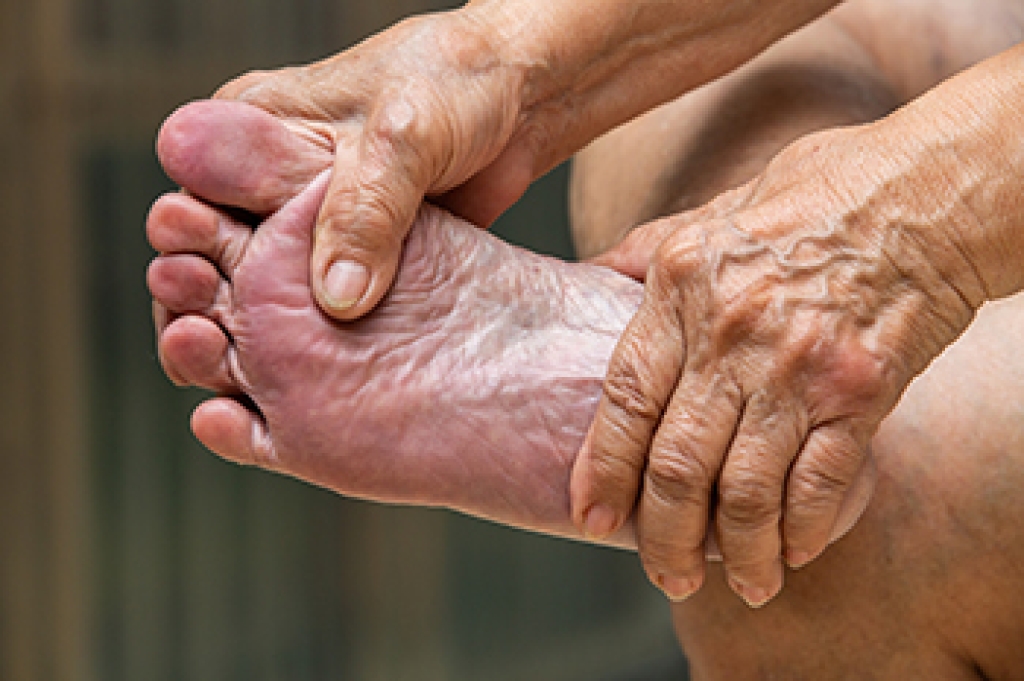
Causes of Cracked Heels in Women

Cracked heels are a condition where the skin surrounding the heel becomes dry, thick, and prone to splitting. In women, cracked heels often develop due to dehydration, excessive exposure to sunlight, and skin changes that affect moisture retention. Wearing improper footwear such as open back shoes or unsupportive sandals can increase pressure on the heel and worsen dryness. Excessive moisture from sweating or frequent water exposure may weaken the skin barrier, while walking barefoot on hard surfaces adds repeated stress. A podiatrist can evaluate the severity of cracked heels, safely remove hardened skin, recommend moisturizing treatments, and address footwear concerns. If cracked heels are causing pain, discomfort, or skin changes, it is suggested that you consult a podiatrist for professional treatment solutions, which may include prescribed medication.

If the skin on your feet starts to crack, you may want to see a podiatrist to find treatment. If you have any concerns, contact one of our podiatrists from Columbus Podiatry & Surgery. Our podiatrists can provide the care you need to keep you pain-free and on your feet.

Cracked Heels

It is important to moisturize your cracked heels in order to prevent pain, bleeding, and infection. The reason cracked heels form is because the skin on the foot is too dry to support the immense pressure placed on them. When the foot expands, the dry skin on the foot begins to split.

Ways to Help Heal Them

  • Invest in a good foot cream
  • Try Using Petroleum Jelly
  • Ease up on Soaps
  • Drink Plenty of Water

Ways to Prevent Cracked Heels

  • Moisturize After Showering
  • Skip a Shower
  • Keep Shower Water Lukewarm
  • Don’t Scrub Your Feet

If you are unsure how to proceed in treating cracked heels, seek guidance from a podiatrist. Your doctor will help you with any questions or information you may need. 

If you have any questions, please feel free to contact our office located in Columbus, OH . We offer the newest diagnostic and treatment technologies for all your foot care needs.

Read more about Solutions for Cracked Heels

Causes and Symptoms of Onychomycosis

Onychomycosis is a fungal infection that affects the nails, causing them to become discolored, thickened, and brittle. The infection most commonly targets toenails but can also affect fingernails. It occurs when fungi, such as dermatophytes, yeasts, or molds, invade the nail bed and the surrounding tissue. The primary causes of toenail fungus include exposure to warm, damp environments, poor foot hygiene, and wearing tight-fitting shoes that do not allow the feet to breathe. Individuals with weakened immune systems, diabetes, or poor circulation are more prone to developing this condition. Common symptoms of onychomycosis include yellow or white streaks or spots on the nails, thickening of the nail, crumbling at the edges, and a foul odor. If left untreated, the infection can lead to further nail damage and spread to other nails or skin, making early detection and treatment essential. If you have any of the above symptoms, it is strongly suggested that you promptly contact a podiatrist who can effectively treat toenail fungus.

For more information about treatment, contact one of our podiatrists of Columbus Podiatry & Surgery. Our podiatrists can provide the care you need to keep you pain-free and on your feet.

Toenail Fungus Treatment

Toenail fungus is a condition that affects many people and can be especially hard to get rid of. Fortunately, there are several methods to go about treating and avoiding it.

Antifungals & Deterrence

Oral antifungal medicine has been shown to be effective in many cases. It is important to consult with a podiatrist to determine the proper regiment for you, or potentially explore other options.

Applying foot powder on the feet and shoes helps keep the feet free of moisture and sweat.

Sandals or open toed shoes – Wearing these will allow air movement and help keep feet dry. They also expose your feet to light, which fungus cannot tolerate. Socks with moisture wicking material also help as well.

If you have any questions please contact our office located in Columbus, OH . We offer the newest diagnostic and treatment technologies for all your foot and ankle needs.

Read more about How to Treat Your Toenail Fungus

Risk Factors for Falling in Winter

Winter conditions increase the risk of slipping when feet lose traction on icy or wet surfaces, making footwear choices and foot function especially important. Shoes with firm soles, deep tread, and a stable heel help the feet grip the ground and limit ankle rolling, while worn shoes raise the chance of imbalance. Foot shape, reduced sensation in the toes, and stiffness in the ankles can affect balance, especially with age. A podiatrist can evaluate gait, check ankle motion, and identify problems like nerve changes or arthritis that interfere with stability. Treatment can focus on improving foot alignment, managing pain, and addressing deformities that limit safe walking, with surgery considered when structural problems prevent support. If you are at risk for falls, it is suggested that you make an appointment with a podiatrist for a diagnosis and options for prevention.

Preventing falls among the elderly is very important. If you are older and have fallen or fear that you are prone to falling, consult with one of our podiatrists from Columbus Podiatry & Surgery. Our podiatrists will assess your condition and provide you with quality advice and care.

Every 11 seconds, an elderly American is being treated in an emergency room for a fall related injury. Falls are the leading cause of head and hip injuries for those 65 and older. Due to decreases in strength, balance, senses, and lack of awareness, elderly persons are very susceptible to falling. Thankfully, there are a number of things older persons can do to prevent falls.

How to Prevent Falls

Some effective methods that older persons can do to prevent falls include:

  • Enrolling in strength and balance exercise program to increase balance and strength
  • Periodically having your sight and hearing checked
  • Discuss any medications you have with a doctor to see if it increases the risk of falling
  • Clearing the house of falling hazards and installing devices like grab bars and railings
  • Utilizing a walker or cane
  • Wearing shoes that provide good support and cushioning
  • Talking to family members about falling and increasing awareness

Falling can be a traumatic and embarrassing experience for elderly persons; this can make them less willing to leave the house, and less willing to talk to someone about their fears of falling. Doing such things, however, will increase the likelihood of tripping or losing one’s balance. Knowing the causes of falling and how to prevent them is the best way to mitigate the risk of serious injury.  

If you have any questions, please feel free to contact our office located in Columbus, OH . We offer the newest diagnostic and treatment technologies for all your foot care needs.
Read more about Falls Prevention

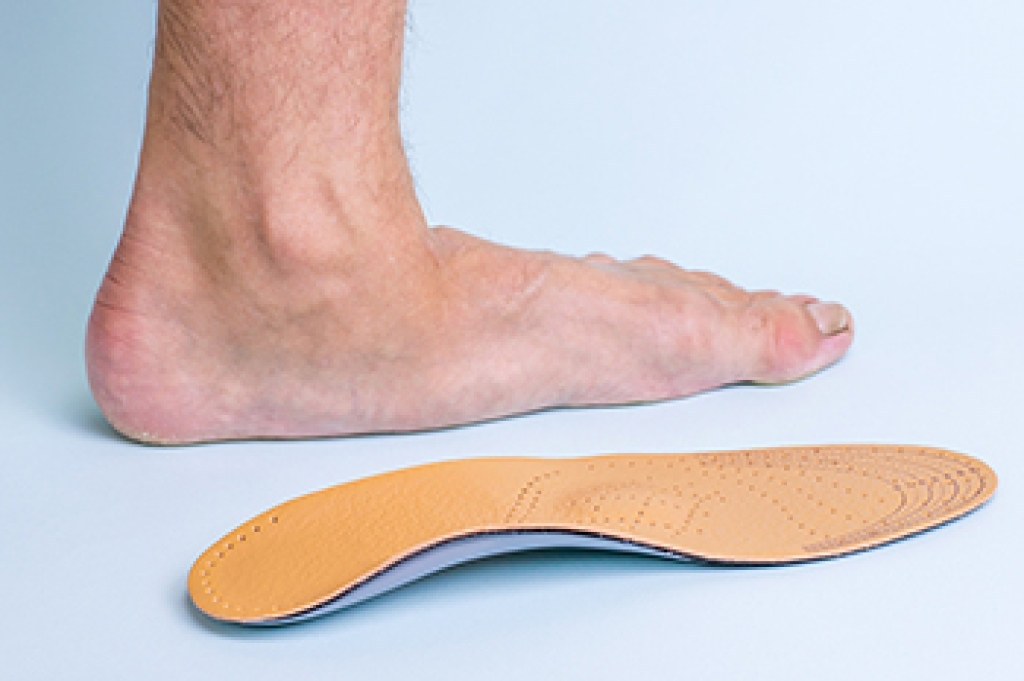
Corns and Calluses

Corns and calluses are thickened skin areas caused by repeated pressure or friction, yet they differ in form and discomfort. Corns are smaller, with a hard center, commonly on toes, while calluses are broader, flatter patches on soles. Symptoms include tenderness, aching, or sharp pain with corns, and dull discomfort with calluses. They may look yellowed, dry, or raised, and can feel rough, tight, or painful in shoes. Causes include ill-fitting footwear, abnormal foot mechanics, bony prominences, and repetitive activity. A podiatrist can help from the start by assessing gait, footwear, and skin, confirming diagnosis, and excluding warts or infection. Treatment options include safe debridement, padding, footwear changes, and addressing biomechanical causes to prevent recurrence. Early evaluation reduces pain, improves alignment, and supports lasting relief. Ongoing care improves comfort, mobility, and skin health. If you are dealing with foot discomfort, it is suggested that you make an appointment with a podiatrist. 

If you have any concerns regarding your feet and ankles, contact one of our podiatrists of Columbus Podiatry & Surgery. Our podiatrists will treat your foot and ankle needs.

Corns: What Are They? and How Do You Get Rid of Them?
Corns can be described as areas of the skin that have thickened to the point of becoming painful or irritating. They are often layers and layers of the skin that have become dry and rough, and are normally smaller than calluses.

Ways to Prevent Corns
There are many ways to get rid of painful corns such as wearing:

  • Well-fitting socks
  • Comfortable shoes that are not tight around your foot
  • Shoes that offer support

Treating Corns
Treatment of corns involves removing the dead skin that has built up in the specific area of the foot. Consult with Our podiatrists to determine the best treatment option for your case of corns.

If you have any questions, please feel free to contact our office located in Columbus, OH . We offer the newest diagnostic and treatment technologies for all your foot care needs.
Read more about Everything You Need to Know About Corns

It's Time for Beautiful Feet

You don't need an excuse to have beautiful nails. Step outside without worrying about the appearance of your feet.

Connect With Us

scroll to top