Restoring Stability With Ankle Fusion Surgery

Ankle fusion surgery is used to join the bones of a damaged ankle joint so they heal into one stable connection. This procedure is also called ankle arthrodesis. The goal is to reduce severe pain and improve stability when an ankle has become badly damaged. Fusion does not restore normal ankle motion, but it can make walking more comfortable by removing painful movement. This surgery is generally considered when other treatments have not provided enough relief.

Ankle arthritis is a common reason for fusion surgery. It can develop after an injury, repeated stress, or years of joint wear. Severe joint damage from inflammatory arthritis or previous fractures may also cause ongoing pain. Symptoms include ankle stiffness, swelling, and pain while walking. A podiatrist or podiatric surgeon will evaluate the ankle and use imaging tests to determine whether fusion is appropriate.


There are two main approaches to ankle fusion. Open ankle fusion uses an incision that allows the surgeon to directly access the joint, remove damaged cartilage, and prepare the bones for healing. Arthroscopic ankle fusion uses a camera and specialized instruments through smaller incisions. The surgeon removes damaged cartilage and positions the bones so they can fuse together. The choice depends on joint damage, anatomy, and the podiatric surgeon's assessment. Screws or other fixation devices may be used to hold the bones securely while they heal.


After surgery, careful protection of the ankle is important. A podiatrist may prescribe a cast or boot and provide instructions for limiting weight on the surgical foot. Follow-up visits and imaging tests help monitor bone healing and alignment. Pain management and incision care are also part of recovery. The podiatrist will explain when it is safe to gradually increase activity. If you have ankle pain that may require ankle fusion surgery, it is suggested that you consult a podiatrist who can determine if this type of surgery is right for you.

Foot surgery is sometimes necessary to treat a foot ailment. To learn more, contact one of our practitioners of Columbus Podiatry & Surgery. Our practitioners will assist you with all of your foot and ankle needs.

When Is Surgery Necessary?

Foot and ankle surgery is generally reserved for cases in which less invasive, conservative procedures have failed to alleviate the problem. Some of the cases in which surgery may be necessary include:

  • Removing foot deformities like bunions and bone spurs
  • Severe arthritis that has caused bone issues
  • Cosmetic reconstruction

What Types of Surgery Are There?

The type of surgery you receive will depend on the nature of the problem you have. Some of the possible surgeries include:

  • Bunionectomy for painful bunions
  • Surgical fusion for realignment of bones
  • Neuropathy decompression surgery to treat nerve damage

Benefits of Surgery

Although surgery is usually a last resort, it can provide more complete pain relief compared to non-surgical methods and may allow you to finally resume full activity.

Surgical techniques have also become increasingly sophisticated. Techniques like endoscopic surgery allow for smaller incisions and faster recovery times.

If you have any questions, please feel free to contact our office located in Columbus, OH . We offer the newest diagnostic and treatment technologies for all your foot care needs.


Read more about Foot Surgery

Healthy Feet Through Every Stage of Aging

Keeping your feet healthy as you age can make them more comfortable and help you stay active. Aging can change the skin, muscles, and circulation. These changes may increase the chance of common foot problems. Wearing supportive shoes and having good hygiene helps protect foot health. Paying attention to changes in pain, swelling, or walking comfort is important. Early attention to foot problems can make them easier to manage.

Bunions and hammertoes are common concerns. A bunion is a bony bump that forms at the base of the big toe as the top of the toe moves toward the others. Hammertoe is a deformity that causes one or more smaller toes to bend downward at a joint instead of lying flat. Risk factors include age, family history, and wearing shoes that cause pressure on the toes. Arthritis can contribute to stiffness and deformity. Symptoms may include aching, redness, or difficulty wearing shoes.

Healthy habits can lower the chance of worsening foot problems. Wash and dry your feet each day between the toes. Moisturize dry skin, but avoid lotion between the toes. Choose shoes with enough room for your toes and a stable sole. Additionally, trim toenails and inspect your feet daily for blisters, cuts, or pressure spots. If pain develops, avoid pushing through it. A podiatrist can examine your feet, assess your walking pattern, and identify problems needing treatment.

Treatment depends on the cause and severity of the problem. A podiatrist may recommend footwear changes, padding, or medication. For bunions or hammertoes that remain painful, surgery may be considered when other options fail. Regular follow-up can help track changes and protect mobility. If you are aging and noticing foot pain or new deformities, it is suggested that you consult a podiatrist for effective relief, treatment, and management solutions.

If you need your feet checked, contact one of our practitioners of Columbus Podiatry & Surgery. Our practitioners will attend to all of your foot and ankle needs and provide you with quality treatment.

Geriatrics and Podiatry
When people age, some common issues that may occur are bone density loss, dry skin, poor circulation, and rough brittle nails. These issues may also affect your foot health if the necessary steps are not taken to alleviate the problems.

It is important to take care of your feet because feet that are injured or diseased can affect your overall health. Having painful feet hinders your ability to do daily activities or may decrease your willingness to do the things that you need to do.

Visiting Your Geriatrician
As we age, health problems become more likely, so it is essential to visit your doctor for check-ups to ensure that you are doing the best you can to take care of your health. It is recommended to check your feet frequently for any possible cuts, bruises, swelling, corns or any other irregularities. 

Taking Care of Elderly Feet
Cracked or dry feet can be treated by applying moisturizer often. It is also important not to wear old socks because the older the sock is, the higher the possibility there will be that there is bacteria there. Wear fresh socks and make sure they fit properly.

Proper foot health means that you can have a more active lifestyle and you will not be bogged down by pain. Foot health also leads to good circulation, which is paramount for overall health.

If you have any questions, please feel free to contact our office located in Columbus, OH . We offer the newest diagnostic and treatment technologies for all your foot care needs.

Read more about Taking Care of Elderly Feet

How Pickleball Can Injure the Feet and Ankles

Pickleball combines quick starts, sudden stops, and sharp changes in direction on a hard court. These movements place heavy stress on the feet and ankles. An ankle sprain can occur when the joint rolls and stretches or tears its supporting ligaments. Other injuries related to pickleball include plantar fasciitis, Achilles tendon tears, and stress fractures. Plantar fasciitis causes pain where the thick band beneath the foot becomes irritated. Repeated impact can also lead to heel pain or pain in the ball of the foot. Poor balance, fatigue, and shoes that lack proper support can raise the risk of injury.

Symptoms vary with the injured area and damage. An ankle sprain can cause pain, swelling, and bruising. Achilles tendon trouble can produce stiffness above the heel and pain when pushing off. A stress fracture can cause focused pain that grows worse with activity, while plantar fasciitis usually creates sharp heel pain after rest. Sudden inability to bear weight, a visible change in shape, or a popping sound requires prompt attention. Continuing to play through pain can worsen an injury and change the way a player moves. This can strain the opposite foot and legs.

A podiatrist can examine the painful area, test joint movement, and evaluate foot mechanics. X-rays can reveal broken bones or changes in joint alignment. Other imaging can help identify damage to tendons, ligaments, or soft tissue. Treatment depends on the diagnosis and the demands placed on the foot. A podiatrist can provide immobilization, bracing, or custom orthotics to protect the injured area and improve support. The podiatrist can also recommend court shoes with proper cushioning and side-to-side stability. For serious injuries, the treatment plan can include surgery. Evaluation guides a safe return to pickleball. If you have sustained a foot or ankle injury from playing pickleball, it is suggested that you schedule an appointment with a podiatrist for a diagnosis and appropriate treatment.

Sports related foot and ankle injuries require proper treatment before players can go back to their regular routines. For more information, contact one of our practitioners of Columbus Podiatry & Surgery. Our practitioners can provide the care you need to keep you pain-free and on your feet.

Sports Related Foot and Ankle Injuries

Foot and ankle injuries are a common occurrence when it comes to athletes of any sport. While many athletes dismiss the initial aches and pains, the truth is that ignoring potential foot and ankle injuries can lead to serious problems. As athletes continue to place pressure and strain the area further, a mild injury can turn into something as serious as a rupture and may lead to a permanent disability. There are many factors that contribute to sports related foot and ankle injuries, which include failure to warm up properly, not providing support or wearing bad footwear. Common injuries and conditions athletes face, including:

  • Plantar Fasciitis
  • Achilles Tendinitis
  • Achilles Tendon Rupture
  • Ankle Sprains

Sports related injuries are commonly treated using the RICE method. This includes rest, applying ice to the injured area, compression and elevating the ankle. More serious sprains and injuries may require surgery, which could include arthroscopic and reconstructive surgery. Rehabilitation and therapy may also be required in order to get any recovering athlete to become fully functional again. Any unusual aches and pains an athlete sustains must be evaluated by a licensed, reputable medical professional.

If you have any questions please contact our office located in Columbus, OH . We offer the newest diagnostic and treatment technologies for all your foot and ankle needs.

Read more about Sports Related Foot And Ankle Injuries

We Can Treat Your Foot or Ankle Pain

Foot or ankle pain can negatively affect your day-to-day life and can occur due to several different conditions. Pain can also be an indicator of a more serious underlying condition, which is why you should seek professional help as soon as you notice any abnormalities in your feet.

Causes of a Broken Heel

A broken heel, also called a calcaneus fracture, occurs when the heel bone cracks or breaks. This injury can cause significant pain and make standing or walking difficult. A broken heel may happen when a strong force travels through the foot and damages the bone. Common causes include falling from a height, being involved in a car crash, or sustaining a sports injury. The severity can range from a small crack to a complicated fracture where the bone is split into several pieces. 

Symptoms often appear immediately after an injury. Severe heel pain is common, especially when placing weight on the foot. Swelling and bruising may develop around the heel and ankle. The foot can also feel tender, stiff, or difficult to move. Some fractures cause changes in the shape of the heel. Risk factors include activities that involve jumping or high-impact movement. However, anyone can experience a heel fracture when exposed to significant trauma.


A podiatrist will examine the foot and ask how the injury occurred. X-rays are commonly used to identify a fracture, while additional imaging may be needed to understand the severity. Treatment depends on the fracture location and whether the bone has shifted. A stable fracture may be treated with immobilization, elevation, and restricted weight-bearing. More complex fractures may require surgery to realign and secure the bone. Surgical treatment can involve plates, screws, or other fixation methods. Follow-up visits help monitor healing and recovery.


Healing from a broken heel takes time, and following the treatment plan is important for protecting the injured bone. Your podiatrist may gradually adjust weight-bearing restrictions as healing progresses. Wearing proper footwear and supportive care can also help during recovery. Because heel fractures can affect how the foot functions, a podiatric evaluation should not be delayed after a serious injury. If you have broken your heel, it is strongly suggested that you promptly consult a podiatrist for effective relief and treatment solutions.

A broken foot requires immediate medical attention and treatment. If you need your feet checked, contact one of our practitioners from Columbus Podiatry & Surgery. Our practitioners can provide the care you need to keep you pain-free and on your feet.

Broken Foot Causes, Symptoms, and Treatment

A broken foot is caused by one of the bones in the foot typically breaking when bended, crushed, or stretched beyond its natural capabilities. Usually the location of the fracture indicates how the break occurred, whether it was through an object, fall, or any other type of injury. 

Common Symptoms of Broken Feet:

  • Bruising
  • Pain
  • Redness
  • Swelling
  • Blue in color
  • Numbness
  • Cold
  • Misshapen
  • Cuts
  • Deformities

Those that suspect they have a broken foot shoot seek urgent medical attention where a medical professional could diagnose the severity.

Treatment for broken bones varies depending on the cause, severity and location. Some will require the use of splints, casts or crutches while others could even involve surgery to repair the broken bones. Personal care includes the use of ice and keeping the foot stabilized and elevated.

If you have any questions, please feel free to contact our office located in Columbus, OH . We offer the newest diagnostic and treatment technologies for all your foot care needs.
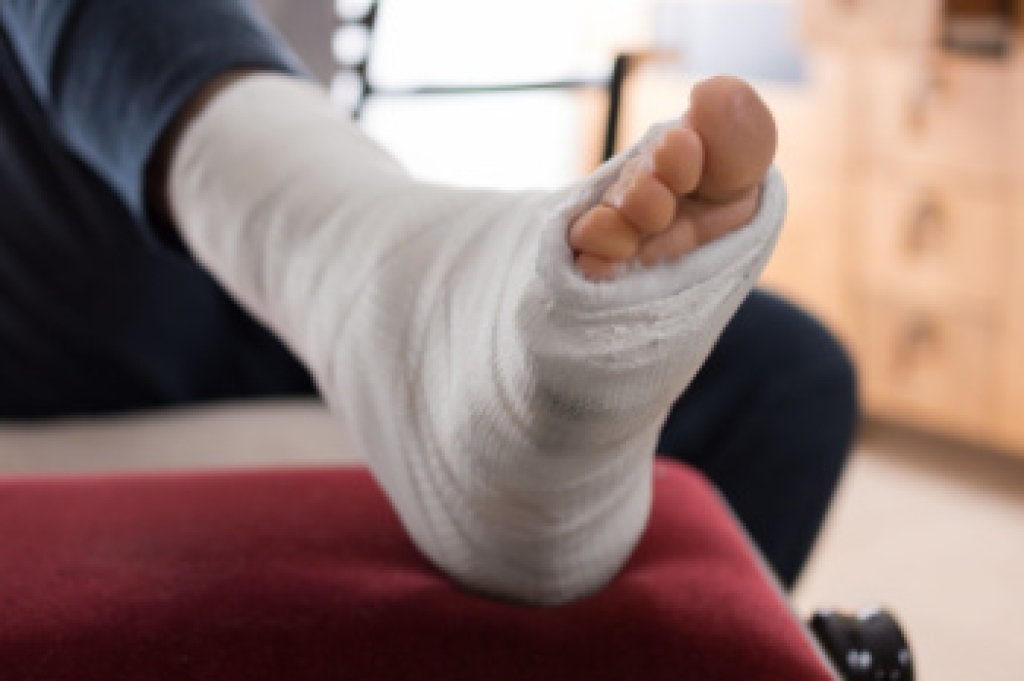
Read more about Causes, Symptoms, and Treatment for a Broken Foot

Connect With Us

Advanced Podiatric Procedures & Services in the Franklin County, OH: Columbus (Dublin, Hilliard, Gahanna, Worthington, Westerville, New Albany) and Delaware County, OH: Powell, Lewis Center, Sunbury, Delaware areas