Foot or ankle pain can negatively affect your day-to-day life and can occur due to several different conditions. Pain can also be an indicator of a more serious underlying condition, which is why you should seek professional help as soon as you notice any abnormalities in your feet.
A broken heel, also called a calcaneus fracture, occurs when the heel bone cracks or breaks. This injury can cause significant pain and make standing or walking difficult. A broken heel may happen when a strong force travels through the foot and damages the bone. Common causes include falling from a height, being involved in a car crash, or sustaining a sports injury. The severity can range from a small crack to a complicated fracture where the bone is split into several pieces.
Symptoms often appear immediately after an injury. Severe heel pain is common, especially when placing weight on the foot. Swelling and bruising may develop around the heel and ankle. The foot can also feel tender, stiff, or difficult to move. Some fractures cause changes in the shape of the heel. Risk factors include activities that involve jumping or high-impact movement. However, anyone can experience a heel fracture when exposed to significant trauma.
A podiatrist will examine the foot and ask how the injury occurred. X-rays are commonly used to identify a fracture, while additional imaging may be needed to understand the severity. Treatment depends on the fracture location and whether the bone has shifted. A stable fracture may be treated with immobilization, elevation, and restricted weight-bearing. More complex fractures may require surgery to realign and secure the bone. Surgical treatment can involve plates, screws, or other fixation methods. Follow-up visits help monitor healing and recovery.
Healing from a broken heel takes time, and following the treatment plan is important for protecting the injured bone. Your podiatrist may gradually adjust weight-bearing restrictions as healing progresses. Wearing proper footwear and supportive care can also help during recovery. Because heel fractures can affect how the foot functions, a podiatric evaluation should not be delayed after a serious injury. If you have broken your heel, it is strongly suggested that you promptly consult a podiatrist for effective relief and treatment solutions.
A broken foot requires immediate medical attention and treatment. If you need your feet checked, contact one of our practitioners from Columbus Podiatry & Surgery. Our practitioners can provide the care you need to keep you pain-free and on your feet.
Broken Foot Causes, Symptoms, and Treatment
A broken foot is caused by one of the bones in the foot typically breaking when bended, crushed, or stretched beyond its natural capabilities. Usually the location of the fracture indicates how the break occurred, whether it was through an object, fall, or any other type of injury.
Common Symptoms of Broken Feet:
Bruising
Pain
Redness
Swelling
Blue in color
Numbness
Cold
Misshapen
Cuts
Deformities
Those that suspect they have a broken foot shoot seek urgent medical attention where a medical professional could diagnose the severity.
Treatment for broken bones varies depending on the cause, severity and location. Some will require the use of splints, casts or crutches while others could even involve surgery to repair the broken bones. Personal care includes the use of ice and keeping the foot stabilized and elevated.
If you have any questions, please feel free to contact our office located in Columbus, OH. We offer the newest diagnostic and treatment technologies for all your foot care needs.
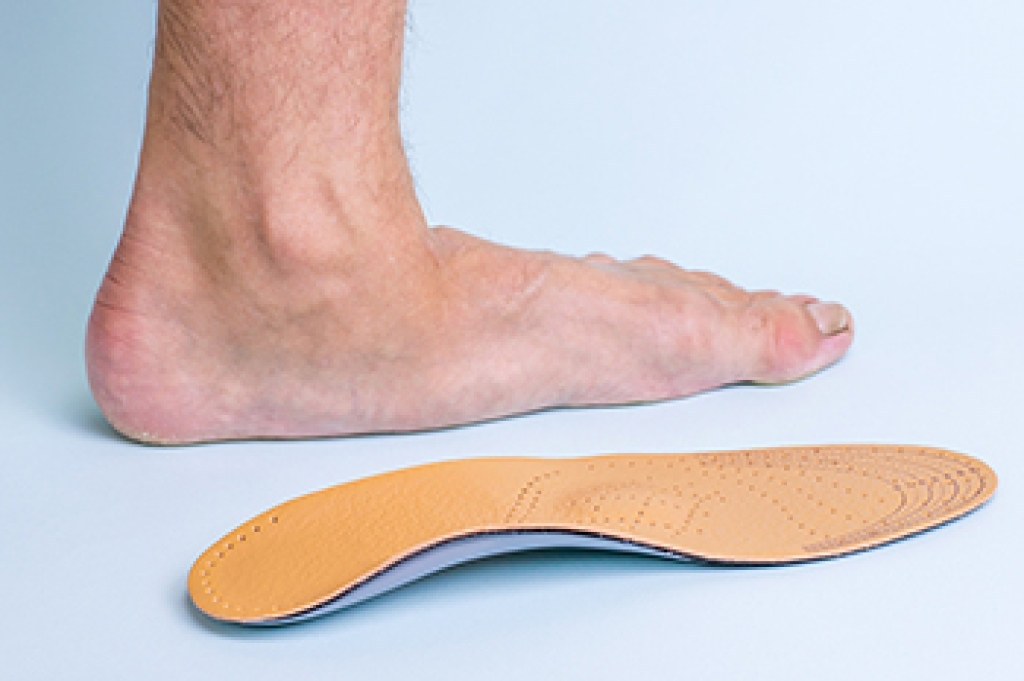
Flat feet happen when the arches flatten or remain low while standing. Some people have no symptoms, while others develop foot pain after activity. Symptoms can include aching along the arch, swelling near the inside of the ankle, and uneven shoe wear. Risk factors include aging, pregnancy, and injuries. Flat feet can also develop from stretched ligaments, tendon problems, or changes in foot structure.
Genetics can play an important role in flat feet. Some people inherit naturally low arches. Others develop acquired flat feet after injury or changes involving the posterior tibial tendon. Footwear that lacks proper support can increase discomfort. A podiatrist will review your symptoms and history, examine your feet while standing and walking, and check your shoes for wear patterns. Imaging tests may be recommended when a bone or joint problem needs closer evaluation.
Orthotics can improve foot support by redistributing pressure and guiding the feet toward a comfortable position. For flexible flat feet, prefabricated orthotics may provide cushioning and arch support. Custom orthotics may be considered when symptoms persist or precise correction is needed. A podiatrist may recommend custom devices based on your foot shape and activity level. Treatment may also include wearing supportive shoes, activity changes, and gradual orthotic use. Follow-up visits help assess comfort and make adjustments.
Healing flat feet depends on the underlying cause and severity. A podiatrist may identify the source of pain, recommend appropriate support, and monitor your progress. Severe cases may require additional treatment. The goal is to reduce strain, improve comfort, and support healthy movement. If painful flat feet are affecting daily activities and you want to learn whether orthotics may help, it is suggested that you consult a podiatrist who can provide you with a personalized treatment plan for lasting foot comfort.
If you are having discomfort in your feet and would like to try orthotics, contact one of our practitioners from Columbus Podiatry & Surgery. Our practitioners can provide the care you need to keep you pain-free and on your feet.
What Are Orthotics?
Orthotics are inserts you can place into your shoes to help with a variety of foot problems such as flat feet or foot pain. Orthotics provide relief and comfort for minor foot and heel pain but can’t correct serious biomechanical problems in your feet.
Over-the-Counter Inserts
Orthotics come in a wide variety of over-the-counter inserts that are used to treat foot pain, heel pain, and minor problems. For example, arch supports can be inserted into your shoes to help correct overarched or flat feet, while gel insoles are often used because they provide comfort and relief from foot and heel pain by alleviating pressure.
Prescription Orthotics
If over-the-counter inserts don’t work for you or if you have a more severe foot concern, it is possible to have your podiatrist prescribe custom orthotics. These high-quality inserts are designed to treat problems such as abnormal motion, plantar fasciitis, and severe forms of heel pain. They can even be used to help patients suffering from diabetes by treating foot ulcers and painful calluses and are usually molded to your feet individually, which allows them to provide full support and comfort.
If you are experiencing minor to severe foot or heel pain, it’s recommended to speak with your podiatrist about the possibilities of using orthotics. A podiatrist can determine which type of orthotic is right for you and allow you to take the first steps towards being pain-free.
If you have any questions, please feel free to contact our office located in Columbus, OH. We offer the newest diagnostic and treatment technologies for all your foot care needs.
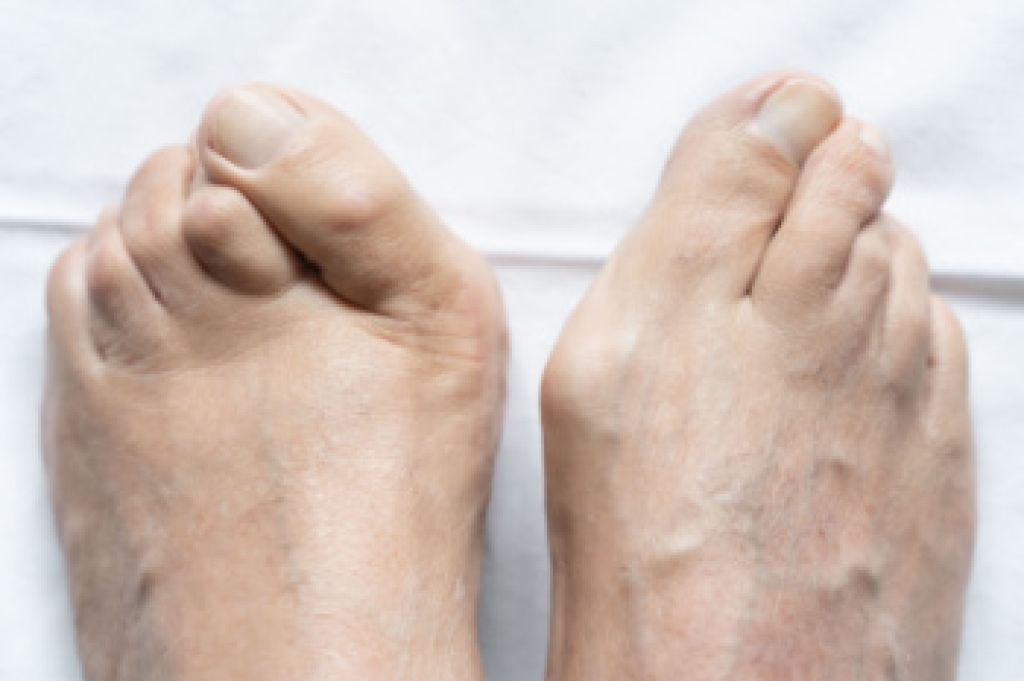
A bump on the big toe can be uncomfortable and may make walking or wearing shoes difficult. Several conditions can cause a bump, including a bone spur, bunion, or gout. Each condition has varied causes, symptoms, and treatment needs. Recognizing causes can help you know when to seek podiatric care and prevent discomfort from becoming worse.
A bone spur is an extra growth of bone that may form around a joint because of arthritis, repeated stress, or a previous injury. It can create a bump, stiffness, or discomfort when shoes press against the area. A bunion develops when the big toe gradually shifts toward the smaller toes, causing the joint at its base to become more prominent. Bunions may cause swelling, redness, and shoe pressure. Gout is inflammatory arthritis caused by uric acid crystals collecting inside a joint. It often causes pain, swelling, and redness around the big toe.
Risk factors depend on the condition. Bunions may be linked to family history, foot structure, and restrictive footwear. Bone spurs may develop with arthritis, repeated stress, or previous joint injuries. Additionally, gout risk can increase with elevated uric acid levels, family history, and dietary factors. A podiatrist can examine your foot, review the symptoms, and order imaging to identify the cause.
Treatment depends on the underlying problem and its effect on comfort and mobility. Options include wearing roomy shoes, protective padding, or custom orthotics. Gout treatment may focus on reducing inflammation and preventing attacks. Persistent bunions or painful bone spurs may sometimes require surgery when conservative care does not provide relief. If you notice a bump on your big toe, it is suggested that you consult a podiatrist for an accurate diagnosis and appropriate treatment solutions.
Toe pain can disrupt your daily activities. If you have any concerns, contact one of our practitioners of Columbus Podiatry & Surgery. Our practitioners can provide the care you need to keep you pain-free and on your feet.
What Causes Toe Pain?
Most severe toe pain is caused due to a sports injury, trauma from dropping something heavy on the toe, or bumping into something rigid. Other problems can develop over time for various reasons.
Toe pain can be caused by one or more ailments. The most common include:
Trauma
Sports injury
Wearing shoes that are too tight
Arthritis
Gout
Corns and calluses
Hammertoe
Bunions
Blisters
Ingrown toenails
Sprains
Fractures (broken bones)
Dislocations
When to See a Podiatrist
Severe pain
Persistent pain that lasts more than a week
Signs of infection
Continued swelling
Pain that prevents walking
Diagnosis
In many cases the cause of toe pain is obvious, but in others, a podiatrist may want to use more advanced methods to determine the problem. These can range from simple visual inspections and sensation tests to X-rays and MRI scans. Prior medical history, family medical history, and any recent physical traumatic events will all be taken into consideration for a proper diagnosis.
Treatment
Treatments for toe pain and injuries vary and may include shoe inserts, padding, taping, medicines, injections, and in some cases, surgery. If you believe that you have broken a toe, please see a podiatrist as soon as possible.
If you have any questions please contact our office located in Columbus, OH. We offer the newest diagnostic and treatment technologies for all your foot and ankle needs.
Plantar fasciitis develops when the strong band of tissue along the bottom of the foot becomes irritated from repeated strain. This band, called the plantar fascia, supports the arch and helps absorb pressure while walking. When it becomes inflamed, it can cause heel pain that ranges from a dull ache to a sharp stabbing feeling. Many patients notice the discomfort when taking their first steps after getting out of bed. Pain also becomes worse after standing or walking for long periods of time, especially on hard surfaces. Some people feel soreness only in the heel, while others notice pain that extends into the arch. Because several foot problems create similar symptoms, an accurate diagnosis is important before treatment begins.
Repeated stress on the plantar fascia is the leading cause of plantar fasciitis. Running, long hours of standing, and frequent walking can place extra pressure on this tissue. Risk factors include flat feet, high arches, and a tight Achilles tendon, which is the strong cord connecting the calf muscles to the heel bone. Carrying extra body weight also increases strain on the bottom of the foot. Wearing shoes that lack proper support or do not fit correctly can add even more pressure. People between 40 and 60 years old develop this condition more frequently, although younger adults can also experience it.
A podiatrist performs a thorough examination, reviews symptoms, watches how you walk, and determines whether plantar fasciitis is causing your heel pain. This foot doctor then creates a treatment plan that matches the cause and severity of the condition. Custom orthotics help support the arch and reduce stress on the plantar fascia. Shoes that improve foot support and reduce repeated strain while walking may be suggested. Prompt diagnosis supports comfort and long-term mobility. If you have heel pain, it is suggested that you schedule an appointment with a podiatrist who can accurately diagnose and treat plantar fasciitis.
Plantar fasciitis can be very painful and inconvenient. If you are experiencing heel pain or symptoms of plantar fasciitis, contact one of our practitioners from Columbus Podiatry & Surgery. Our practitioners can provide the care you need to keep you pain-free and on your feet.
What Is Plantar Fasciitis?
Plantar fasciitis is the inflammation of the thick band of tissue that runs along the bottom of your foot, known as the plantar fascia, and causes mild to severe heel pain.
What Causes Plantar Fasciitis?
Excessive running
Non-supportive shoes
Overpronation
Repeated stretching and tearing of the plantar fascia
Shockwave therapy – sound waves are sent to the affected area to facilitate healing and are usually used for chronic cases of plantar fasciitis
Surgery – usually only used as a last resort when all else fails. The plantar fascia can be surgically detached from the heel
While very treatable, plantar fasciitis is definitely not something that should be ignored. Especially in severe cases, speaking to your doctor right away is highly recommended to avoid complications and severe heel pain. Your podiatrist can work with you to provide the appropriate treatment options tailored to your condition.
If you have any questions, please feel free to contact our office located in Columbus, OH. We offer the newest diagnostic and treatment technologies for all your foot care needs.