Smaller Incisions and Modern Foot and Ankle Surgery

Minimally invasive foot and ankle surgery uses small incisions and specialized instruments to treat certain conditions while reducing disruption to surrounding tissue. Instead of a large surgical opening, the surgeon works through tiny entry points using precise tools and imaging guidance. This approach may lead to less swelling, smaller scars, and a faster return to normal activity for some patients. Minimally invasive techniques are sometimes used to correct bunions by reshaping the bone through small openings in the skin. They may also be used to treat certain hammertoe deformities or remove bone spurs that cause joint irritation. Because the incisions are smaller, surrounding muscles and soft tissues may experience less trauma during the procedure. However, not every condition is appropriate for this type of surgery, and proper evaluation is important before treatment is considered. When ongoing foot or ankle pain affects mobility, it is suggested that you see a podiatrist to discuss diagnosis and available treatment options.

Foot surgery is sometimes necessary to treat a foot ailment. To learn more, contact one of our podiatrists of Columbus Podiatry & Surgery. Our podiatrists will assist you with all of your foot and ankle needs.

When Is Surgery Necessary?

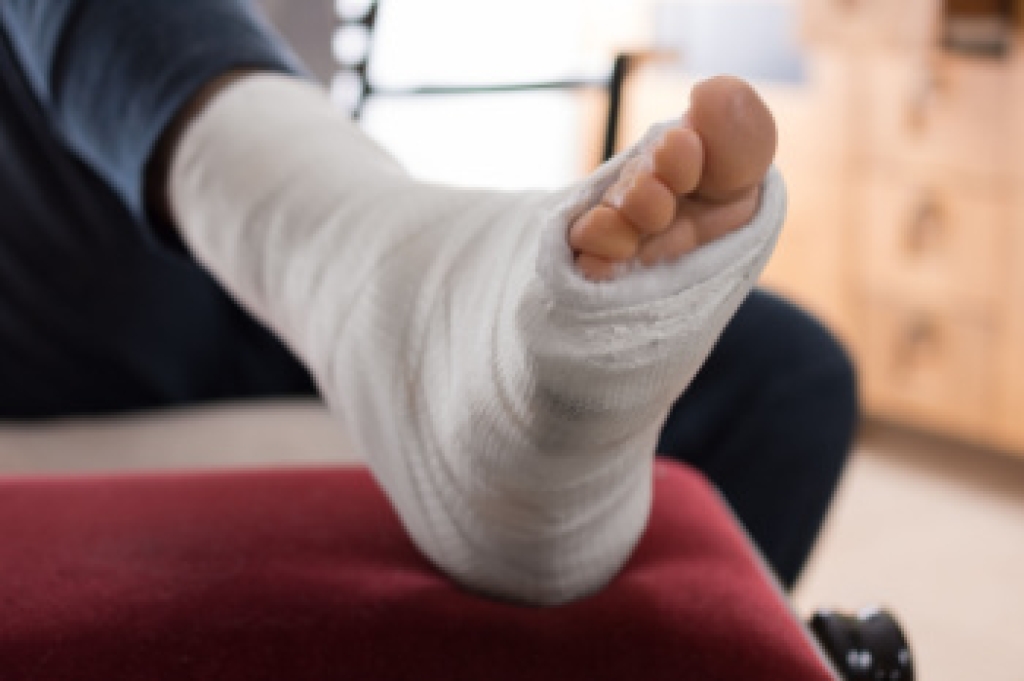
Foot and ankle surgery is generally reserved for cases in which less invasive, conservative procedures have failed to alleviate the problem. Some of the cases in which surgery may be necessary include:

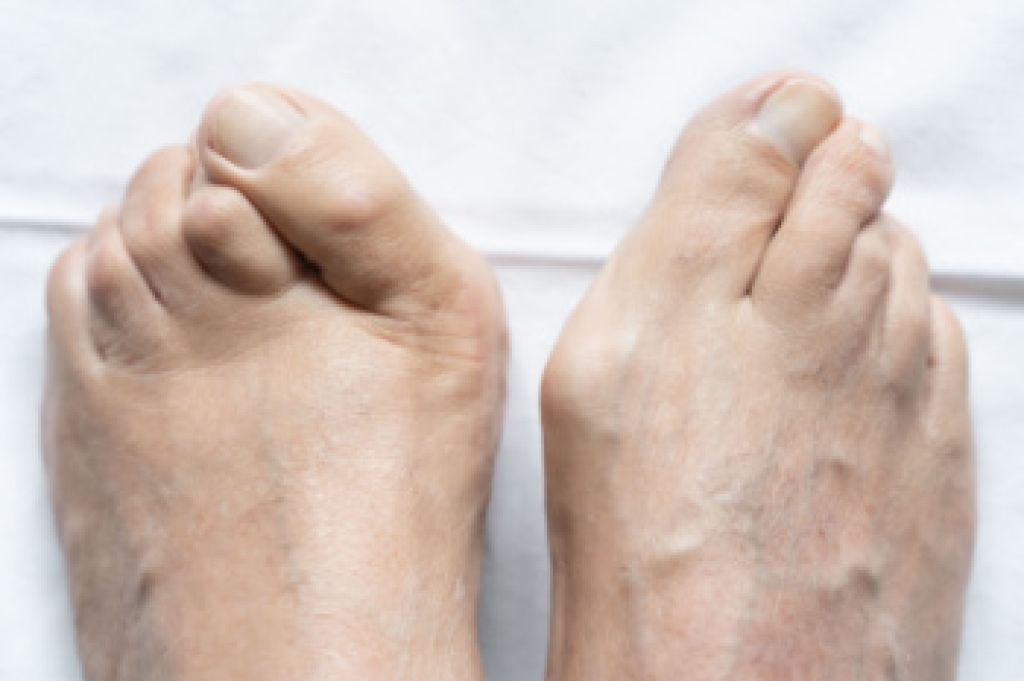
  • Removing foot deformities like bunions and bone spurs
  • Severe arthritis that has caused bone issues
  • Cosmetic reconstruction

What Types of Surgery Are There?

The type of surgery you receive will depend on the nature of the problem you have. Some of the possible surgeries include:

  • Bunionectomy for painful bunions
  • Surgical fusion for realignment of bones
  • Neuropathy decompression surgery to treat nerve damage

Benefits of Surgery

Although surgery is usually a last resort, it can provide more complete pain relief compared to non-surgical methods and may allow you to finally resume full activity.

Surgical techniques have also become increasingly sophisticated. Techniques like endoscopic surgery allow for smaller incisions and faster recovery times.

If you have any questions, please feel free to contact our office located in Columbus, OH . We offer the newest diagnostic and treatment technologies for all your foot care needs.

Read more about Foot and Ankle Surgery

Stop Your Toenail Fungus

Have you noticed discoloration of your toenails? Have they become thickened or brittle? If so, you may be experiencing symptoms of a fungal nail infection. For some, having a fungal nail can be embarrassing. Overcome your embarrassment, and get treated.

Understanding the Different Causes of Pain Beneath the Heel

Pain under the heel is a frequent complaint and can stem from several conditions. The most common cause is plantar fasciitis involving irritation of the thick band of tissue that supports the arch. This often leads to sharp discomfort with the first steps in the morning, or after long periods of rest. Tenderness is usually felt along the bottom of the heel. Another source may be a stress injury to the heel bone. This type of pain often worsens with activity, and may feel deeper or more constant. Nerve irritation can also create burning, tingling, or shooting sensations that travel into the arch. In some cases, thinning of the natural fat pad under the heel reduces cushioning and leads to soreness when standing on hard surfaces. Because symptoms can overlap, a careful examination is important. If you have ongoing pain beneath your heel, it is suggested that you see a podiatrist for a proper diagnosis and appropriate treatment.

Many people suffer from bouts of heel pain. For more information, contact one of our podiatrists of Columbus Podiatry & Surgery. Our podiatrists can provide the care you need to keep you pain-free and on your feet.

Causes of Heel Pain

Heel pain is often associated with plantar fasciitis. The plantar fascia is a band of tissues that extends along the bottom of the foot. A rip or tear in this ligament can cause inflammation of the tissue.

Achilles tendonitis is another cause of heel pain. Inflammation of the Achilles tendon will cause pain from fractures and muscle tearing. Lack of flexibility is also another symptom.

Heel spurs are another cause of pain. When the tissues of the plantar fascia undergo a great deal of stress, it can lead to ligament separation from the heel bone, causing heel spurs.

Why Might Heel Pain Occur?

  • Wearing ill-fitting shoes                
  • Wearing non-supportive shoes
  • Weight change           
  • Excessive running

Treatments

Heel pain should be treated as soon as possible for immediate results. Keeping your feet in a stress-free environment will help. If you suffer from Achilles tendonitis or plantar fasciitis, applying ice will reduce the swelling. Stretching before an exercise like running will help the muscles. Using all these tips will help make heel pain a condition of the past.

If you have any questions, please feel free to contact our office located in Columbus, OH . We offer the newest diagnostic and treatment technologies for all your foot care needs.

Read more about Heel Pain

Why Your Child May Be Limping

A child may begin limping for many reasons, and it is important to identify the underlying cause. Common issues include a sprain from play, a splinter lodged in the foot, or painful blisters caused by friction from shoes. In some cases, a severe viral infection can lead to joint inflammation and discomfort that makes walking difficult. Risk factors include high activity levels, wearing poorly fitting footwear, minor unnoticed injuries, and recent illness. Limping may be accompanied by swelling, redness, tenderness, or reluctance to bear weight. A podiatrist can perform a thorough evaluation, diagnose the problem, and provide appropriate treatment to relieve pain and restore movement. If your child is limping, it is suggested that you consult a podiatrist who can determine what the cause and offer effective treatment solutions.

The health of a child’s feet is vital to their overall well-being. If you have any questions regarding foot health, contact one of our podiatrists of Columbus Podiatry & Surgery. Our podiatrists can provide the care you need to keep you pain-free and on your feet.

Tips for Keeping Children's Feet Healthy

  • Make sure their shoes fit properly
  • Look for any signs of in-toeing or out-toeing
  • Check to see if they have Clubfoot (condition that affects your child’s foot and ankle, twisting the heel and toes inward) which is one of the most common nonmajor birth defects.
  • Lightly cover your baby’s feet (Tight covers may keep your baby from moving their feet freely, and could prevent normal development)
  • Allow your toddler to go shoeless (Shoes can be restricting for a young child’s foot)
  • Cut toenails straight across to avoid ingrown toenails
  • Keep your child’s foot clean and dry
  • Cover cuts and scrapes. Wash any scratches with soap and water and cover them with a bandage until they’ve healed.

If you have any questions, please feel free to contact our office located in Columbus, OH . We offer the newest diagnostic and treatment technologies for all your foot care needs.

Read more about How to Care for Your Child's Feet

How to Find Relief From Morton's Neuroma

Morton's neuroma is a painful condition caused by thickening of the tissue surrounding a nerve between the toes, most commonly between the third and fourth toes. It develops when the nerve is compressed or irritated over time. Common causes include wearing high heels, narrow or pointed shoes, repetitive impact activities, and foot deformities such as bunions or hammertoes. Symptoms include burning pain, tingling, numbness, and the sensation of standing on a small stone. Risk factors include excessive walking or running, improper footwear, and certain foot shapes. A podiatrist can provide an accurate diagnosis, recommend footwear modifications, offer nonsurgical treatments, and guide long-term management. If you have pain in this part of your foot, it is suggested that you consult a podiatrist who can accurately diagnose and treat Morton’s neuroma.

Morton’s neuroma is a very uncomfortable condition to live with. If you think you have Morton’s neuroma, contact one of our podiatrists of Columbus Podiatry & Surgery. Our podiatrists will attend to all of your foot care needs and answer any of your related questions.  

Morton’s Neuroma

Morton's neuroma is a painful foot condition that commonly affects the areas between the second and third or third and fourth toe, although other areas of the foot are also susceptible. Morton’s neuroma is caused by an inflamed nerve in the foot that is being squeezed and aggravated by surrounding bones.

What Increases the Chances of Having Morton’s Neuroma?

  • Ill-fitting high heels or shoes that add pressure to the toe or foot
  • Jogging, running or any sport that involves constant impact to the foot
  • Flat feet, bunions, and any other foot deformities

Morton’s neuroma is a very treatable condition. Orthotics and shoe inserts can often be used to alleviate the pain on the forefront of the feet. In more severe cases, corticosteroids can also be prescribed. In order to figure out the best treatment for your neuroma, it’s recommended to seek the care of a podiatrist who can diagnose your condition and provide different treatment options.

If you have any questions, please feel free to contact our office located in Columbus, OH . We offer the newest diagnostic and treatment technologies for all your foot care needs.

Read more about What is Morton's Neuroma?

Connect With Us

scroll to top